
Economic Policies
America’s economy is cracking under the weight of problems that quick fixes can’t solve. Wages have been flat for decades while the cost of living climbs higher. National debt has surged past levels that threaten future stability. Retirement security is shaky at best. And year after year, the richest households and biggest corporations contribute the least—leaving working Americans to carry the load.
These problems aren’t isolated — they feed on each other. Debt grows because revenue is unstable. Families struggle because wages lag while essentials rise. Government waste balloons while trust in the system collapses.
That’s why we need structural reforms that go deeper than partisan slogans. The policies below are designed to:
Stabilize the tax system so contribution matches actual economic power.
Protect against crises without sinking further into debt.
Guarantee retirement security for every American.
End wasteful spending habits that weaken trust in government.
Rein in extreme wealth accumulation that undermines long-term growth.
These reforms aren’t radical. They’re common-sense changes built to restore balance, strengthen capitalism, and create an economy that actually works for the next generation.

Our economy is out of balance. Everyday Americans are taxed on every dollar they earn, while corporations and executives legally route much of their compensation through loopholes that avoid normal taxation. Wealth grows at the top, wages stagnate at the bottom, and the gap widens every year. The Equity Equation Project realigns contribution with responsibility.
It closes the loopholes that allow executive pay to escape taxation, restructures stock-buyback rules so companies invest in their workers before inflating share prices, and introduces a Responsible Pay Algorithm that rewards businesses for keeping executive pay in proportion to their workforce. This isn’t socialism. It’s capitalism with guardrails — protecting ambition, innovation, and success while ensuring the people who create value aren’t left behind.
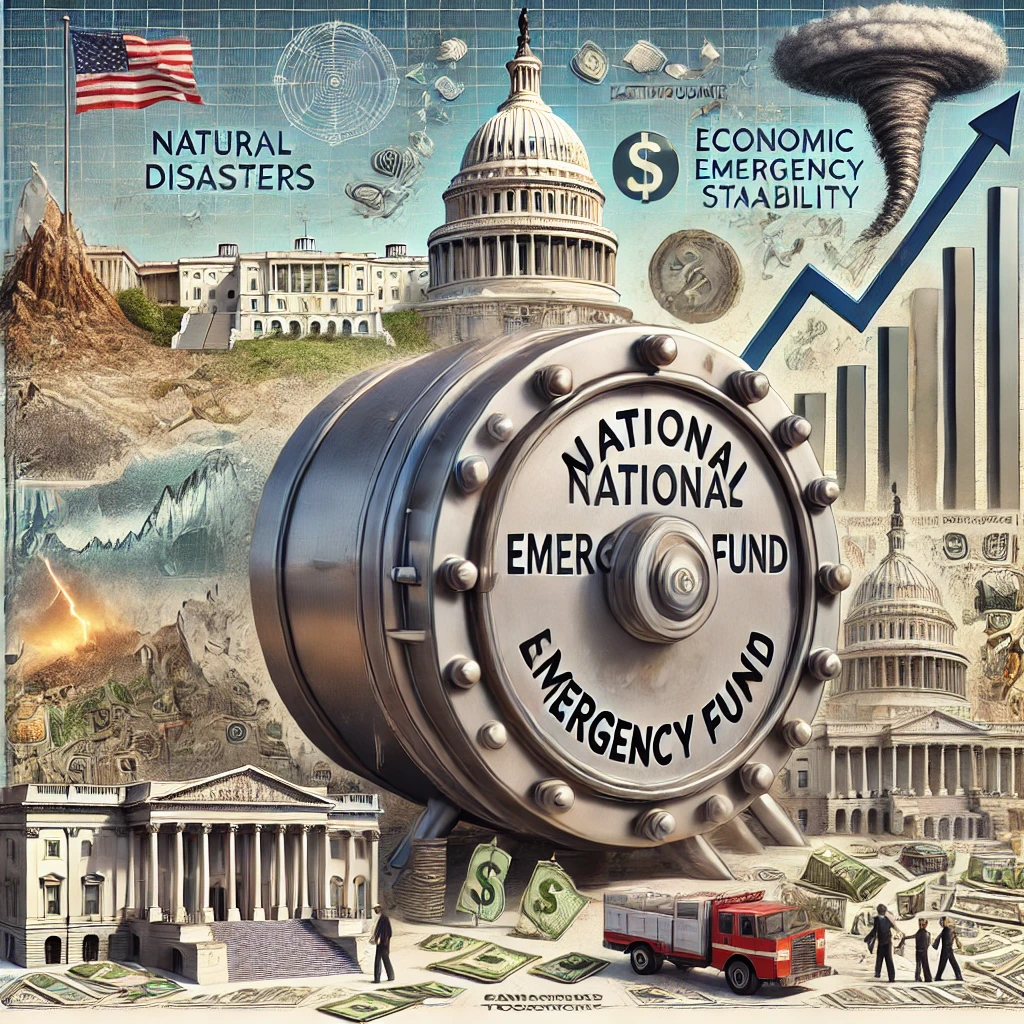
The NEF is a permanent, $3 trillion sovereign savings account designed to protect Americans during crises. Instead of borrowing and adding to the debt every time disaster strikes, the NEF generates investment income that can be tapped for emergencies like natural disasters, pandemics, or economic shocks. At the same time, it serves as an investment vehicle — giving foreign governments and institutions the option to invest in America’s stability, rather than holding U.S. debt. That shift makes the nation stronger, less vulnerable to outside leverage, and better prepared for whatever comes next.
The LRA is a modern replacement for Social Security, guaranteeing every American a foundation of dignity and security in retirement. At birth, each citizen receives a federally seeded account — an investment that grows over their lifetime and remains individually theirs, no matter their career path. This isn’t privatization or a handoff to Wall Street. Accounts are publicly backed, conservatively managed, and designed to cover retirement and end-of-life costs while reducing long-term federal liabilities. Unlike today’s system, the LRA ensures real savings in every American’s name — secure, portable, and protected.
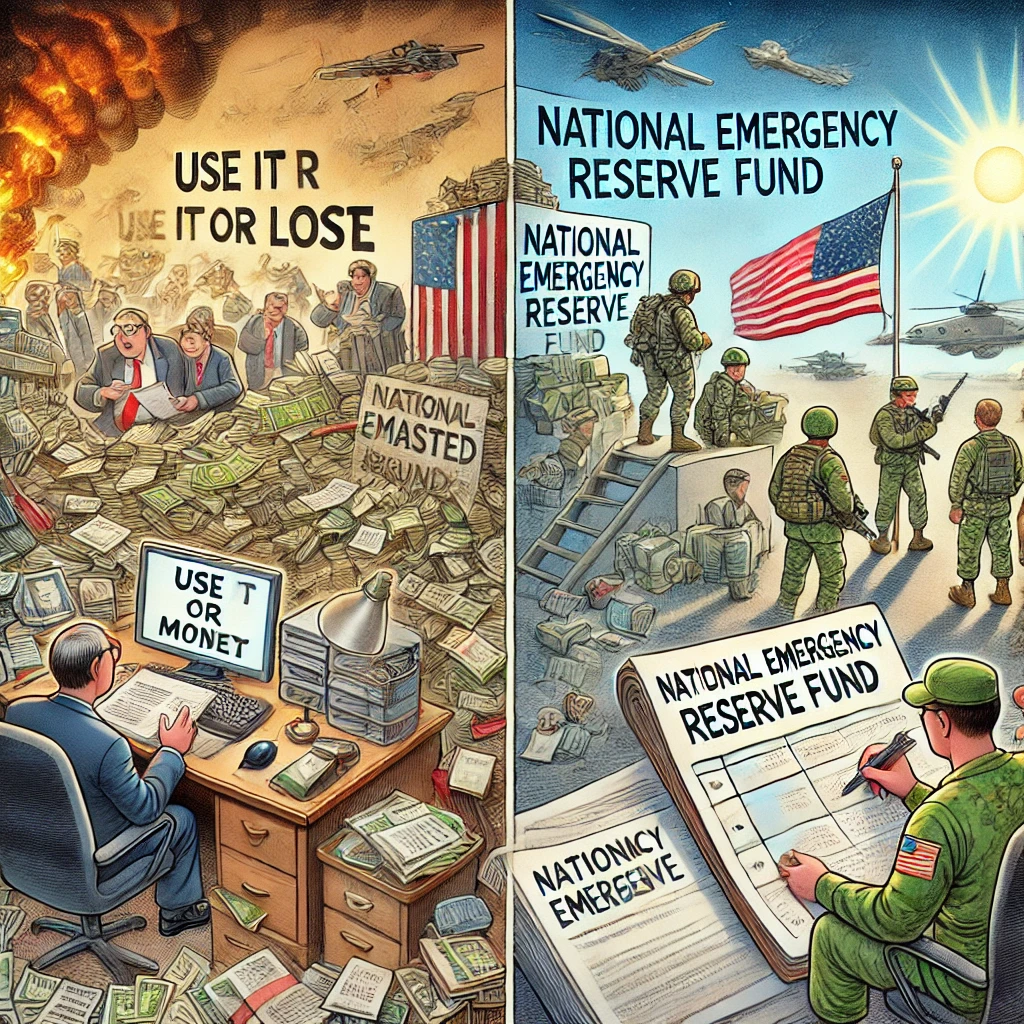
America spends more on defense than the next several nations combined — often without clear strategy or accountability. The Strategic Defense Budget Act ties defense spending to a stable share of GDP, ensuring strength without runaway costs. It also ends the “use it or lose it” policy that encourages wasteful end-of-year spending. The result: a military that stays strong, budgets that stay disciplined, and resources that go where they’re truly needed — from readiness and innovation to caring for veterans.
Every dollar spent by the federal government should be traceable, transparent, and accountable. F.A.C.T. creates a system where taxpayers can see exactly how money flows — from appropriation to outcome. No more bloated budgets hidden behind jargon or lost in bureaucracy. By tying spending to measurable results and making those results public, F.A.C.T. ensures government programs work as promised, exposes waste, and rebuilds trust between citizens and their government.
America’s wealthiest often borrow against their assets to avoid ever paying taxes on trillions in unrealized gains. The VUGT flips that incentive. By paying a reduced, voluntary rate on those paper gains now, participants lock in long-term tax advantages and avoid double taxation later. For the nation, it means an immediate infusion of capital into the National Emergency Fund — accelerating debt reduction and turning liabilities into lasting investment power. It’s not about punishing success; it’s about giving those who’ve gained the most a chance to help stabilize the system for everyone.
 English